A new stage of development in Namangan: Cities and villages are being transformed in cooperation with the World Bank
As a strategic partner of Uzbekistan, the World Bank has been making a significant contribution to the country's progress through large-scale projects in infrastructure, energy, transport, education, and healthcare.
As part of this process, two major initiatives aimed at improving the quality of life of the population and enhancing the attractiveness of territories are being consistently implemented in Namangan region.
In particular, in accordance with the Presidential Decree No. PD-4409 of July 30, 2019, “On measures to implement the project for the integrated development of medium-sized cities”, and Presidential Resolution No. P-4898 of November 11, 2020, “On measures to implement the project for rural infrastructure development”, work is underway to improve the infrastructure of 143 makhallas across five districts of Namangan region.
These projects are implemented under the responsibility of the Ministry of Economy and Finance of the Republic of Uzbekistan. A total of 107 million USD has been allocated for their implementation by the International Development Association (IDA) of the World Bank and the Asian Infrastructure Investment Bank (AIIB).
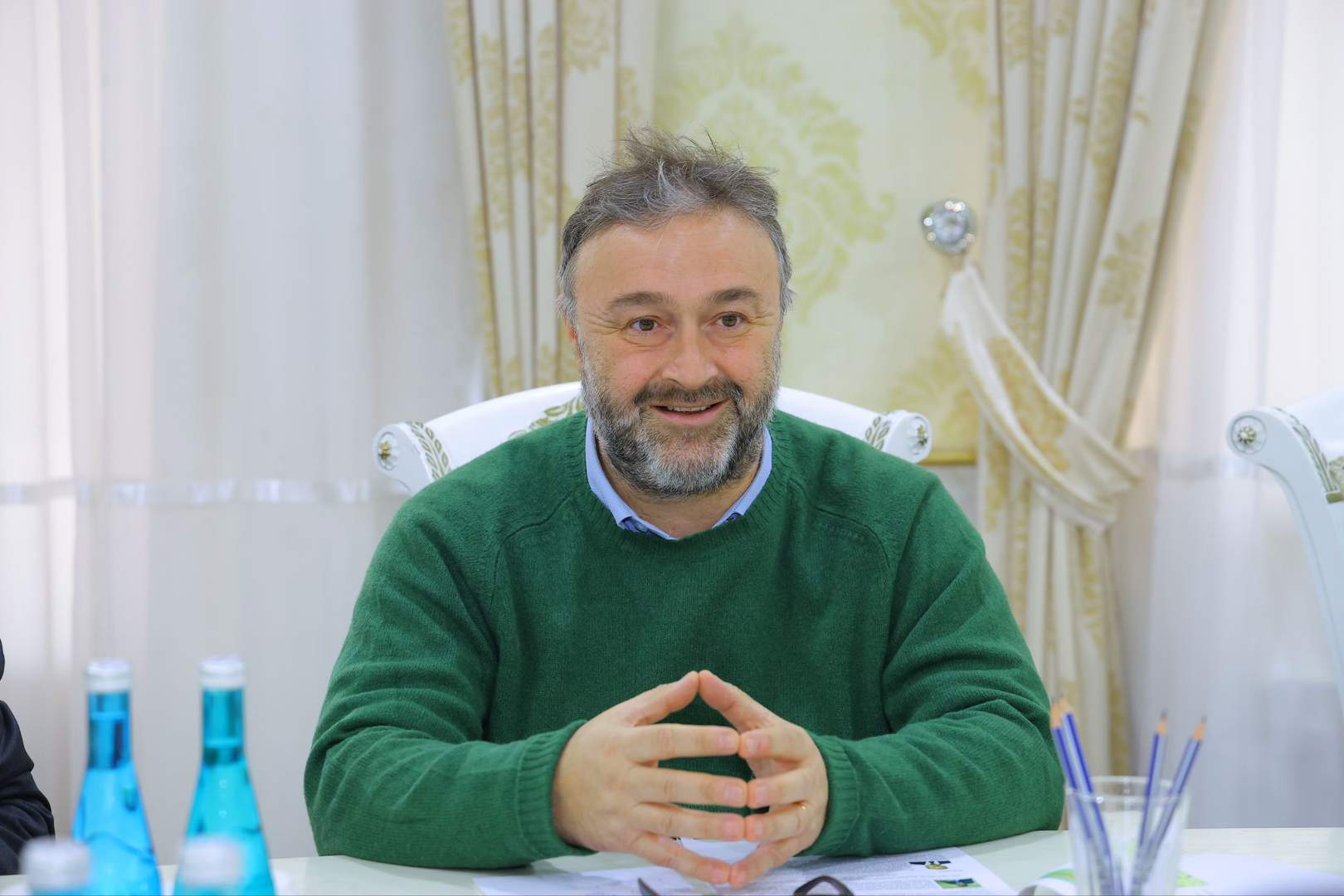
On November 6, 2025, Mr. Najy Benhassine, the World Bank’s Regional Director for Central Asia, visited Namangan region to closely familiarize with the progress of these projects.
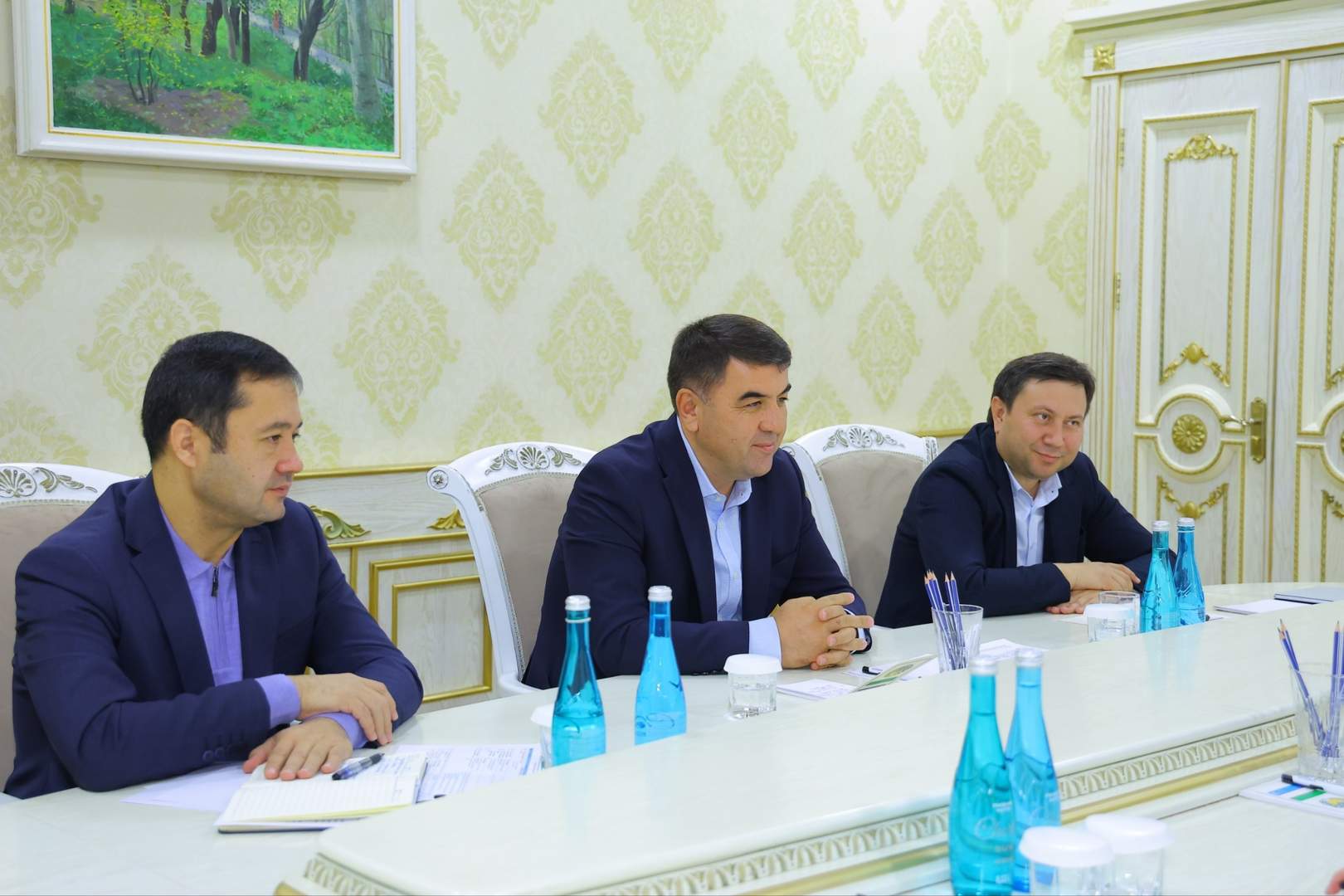
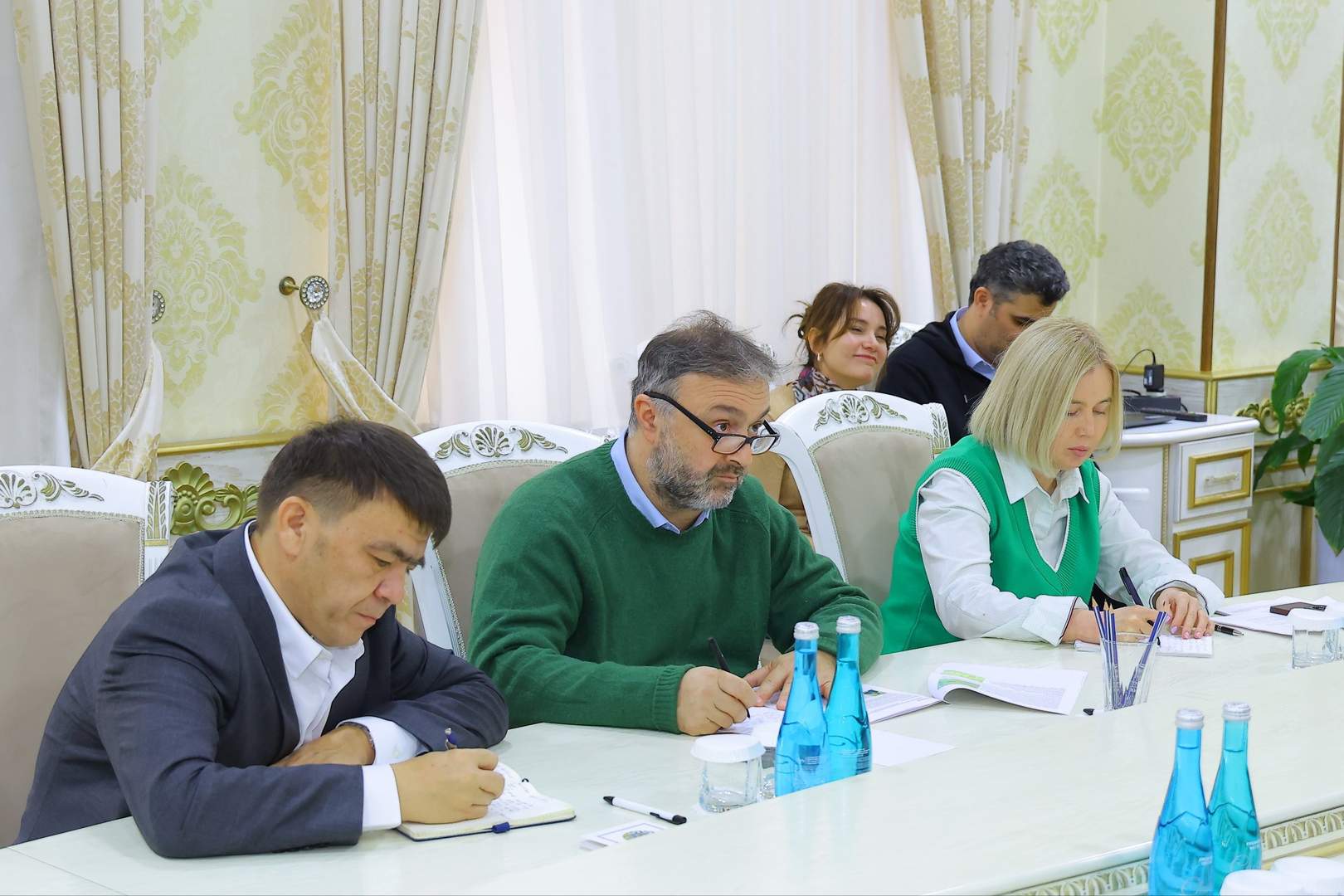
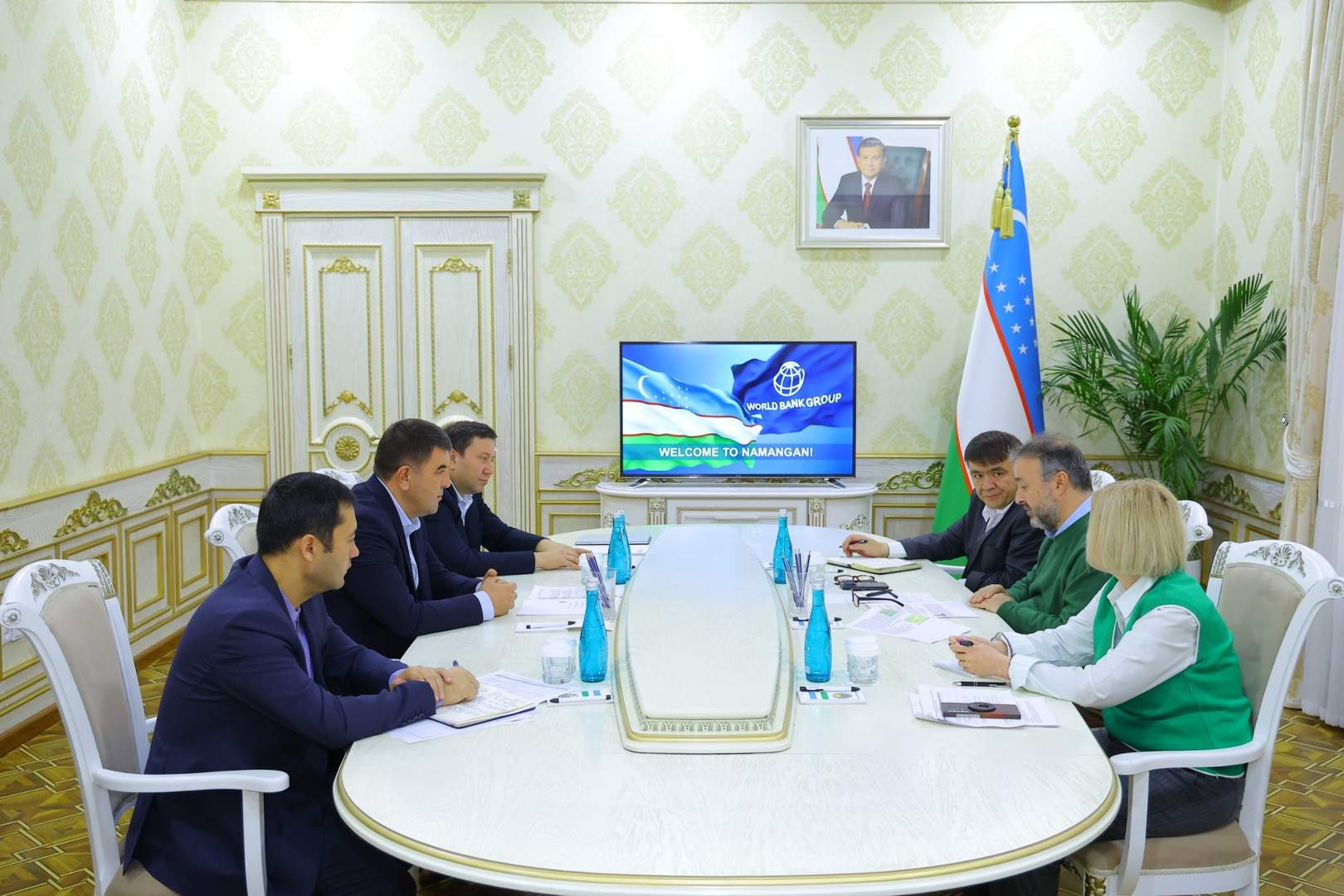
During the visit, a meeting was held at the regional khokimiyat, where Mr. Benhassine met with the khokim of Namangan region, Mr. Shavkatjon Abdurazzakov.
During the discussion, the parties exchanged views on the implementation of ongoing projects, explored new areas of cooperation, and discussed joint implementation of social and economic development programs for 2026–2029.
“Right after leaving Namangan International Airport, I could see the remarkable changes and economic growth across the region. These projects have significantly improved people’s well-being. We will continue to take an active role in future development programs,” said Mr. Najy Benhassine.
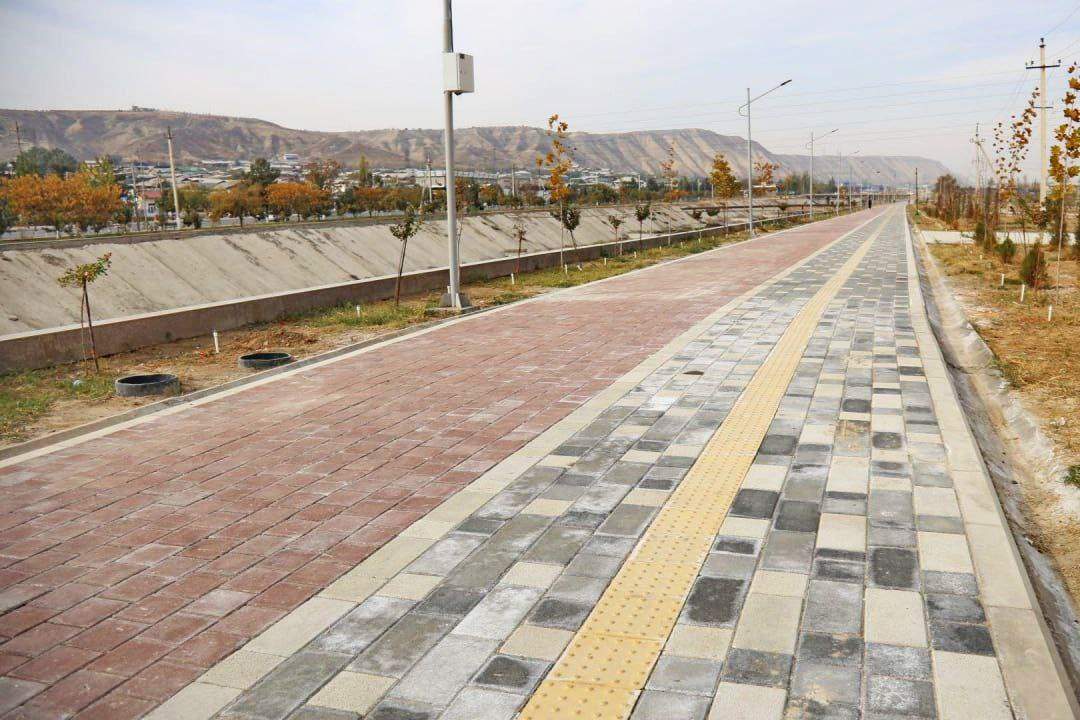
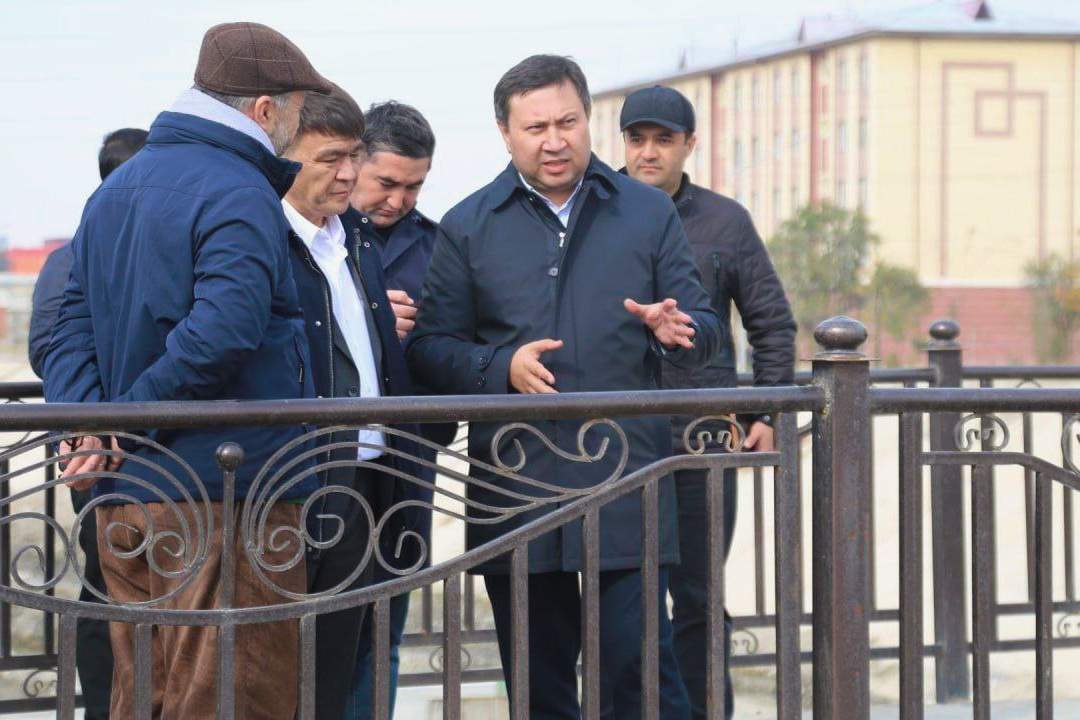
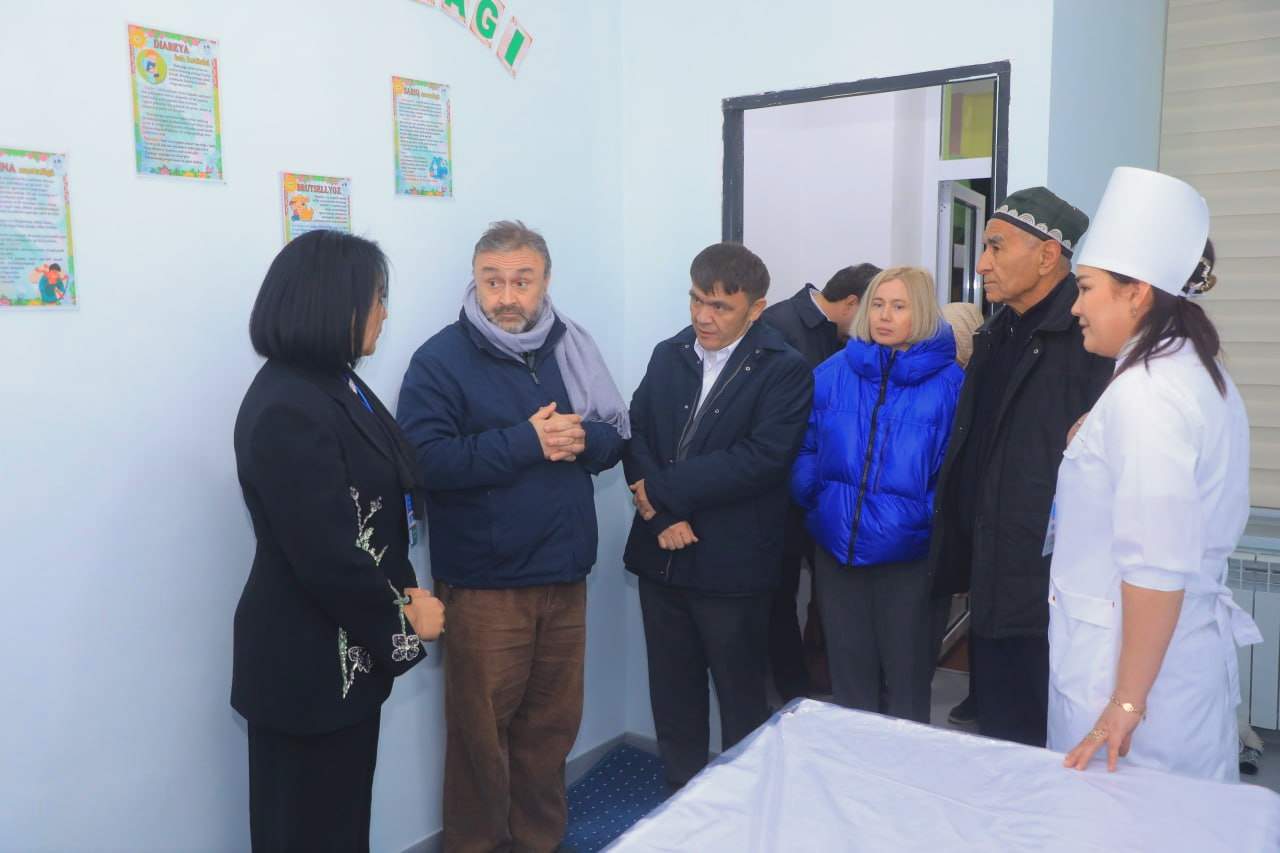
As part of his trip, Mr. Benhassine visited several construction and renovation sites under the “Rural Infrastructure Development” and “Integrated Development of Medium-Sized Cities” projects. He reviewed the progress of ongoing works and interacted with residents to learn their opinions and impressions of the completed facilities.
In particular, within the “Integrated Development of Medium-Sized Cities” project, he visited the “Yuksalish” mahalla in Chartak district, where activities are being carried out to improve both the urban and rural infrastructure.
He also visited the “Uch Uyli” and “Obihayot” mahallas in Pop district, to observe the outcomes of the Rural Infrastructure Development project on the ground.
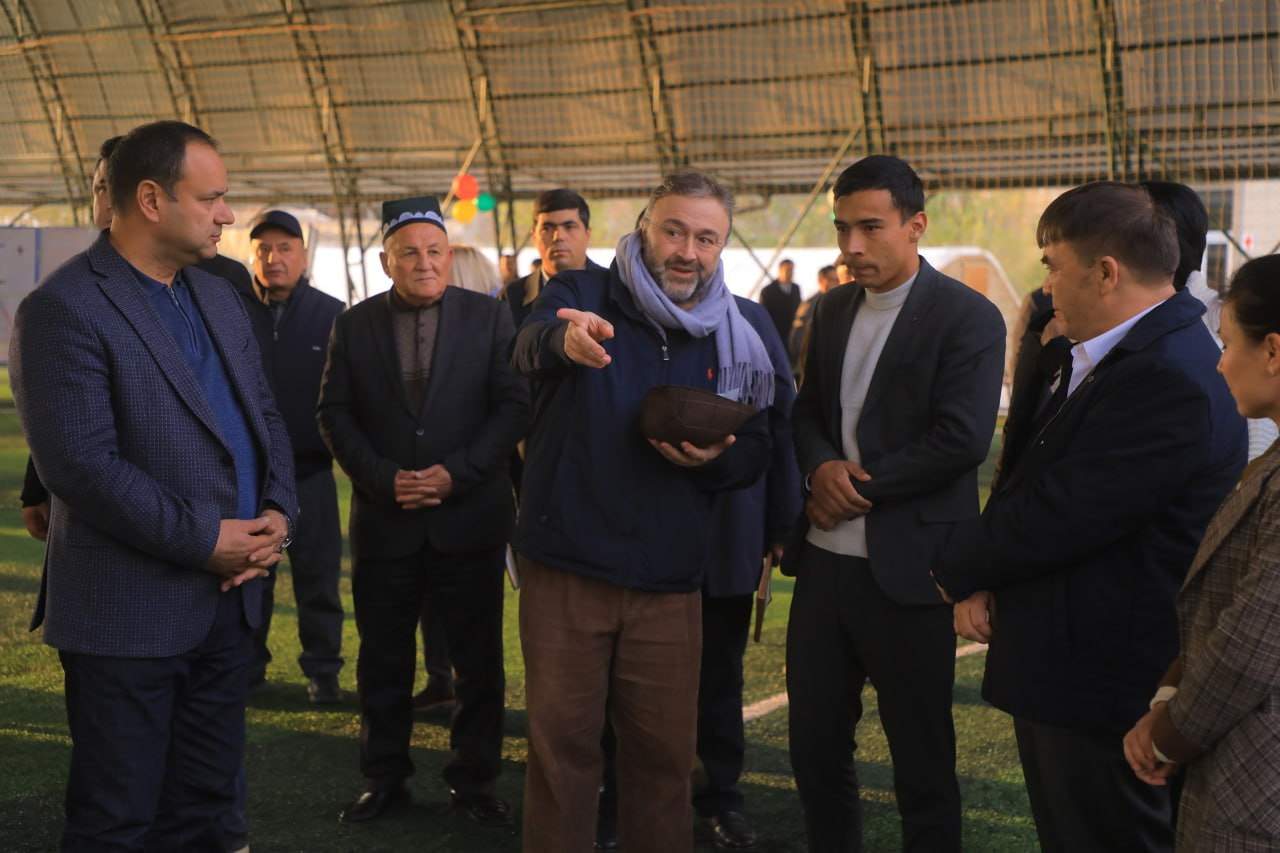
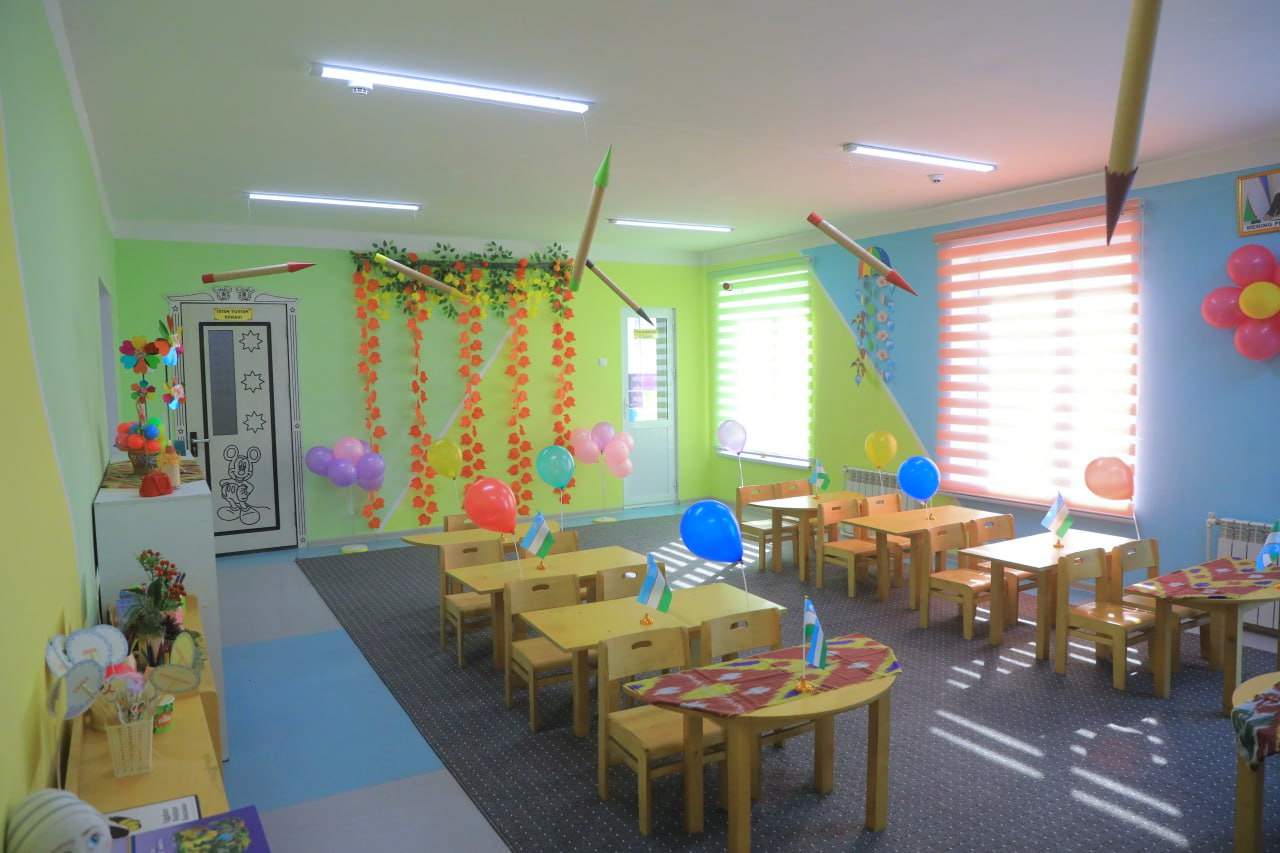
In the “Obihayot” mahalla, Preschool Education Institution No. 22, which underwent full renovation with 2.2 billion soums allocated from World Bank funds, was officially opened with the participation of community representatives and project partners.
1. Rural Infrastructure Development Project
The total project financing amounts to 66.4 million USD, distributed as follows:
• Yangiqurgan — 18.2 million USD
• Chartak — 9.6 million USD
• Mingbuloq — 6.7 million USD
• Chust — 14.8 million USD
• Pop — 17.0 million USD
As of November 1, 2025, a total of 55.9 million USD has been disbursed.
Under the project, 272 facilities across 132 mahallas are being implemented — 253 completed and 19 under construction — covering both social and infrastructure sectors.
As a result, the following have been built or fully renovated:
• 37 schools (with 9,135 student places)
• 16 preschools (1,660 places)
• 3 medical facilities (serving up to 150 daily visits)
• 740 km of internal roads
• 1,100 km of drinking water networks
• 420 km of electricity supply lines
• 1 bridge and 1 sports ground.
2. Integrated Development of Medium-Sized Cities Project
Within this project, 40.5 million USD has been allocated for the city of Chartak, of which 30.5 million USD has already been utilized.
The project aims to improve the infrastructure of 16 mahallas in Chartak district. In particular, 72.5 km of new drinking water pipelines are being constructed, which will ensure reliable access to clean water for more than 120,000 residents of both Chartak district and Namangan city.
A 21.5 km section of this pipeline passes through the Kalishoh and Arbogish mahallas, originating from mountain areas at an altitude of around 600 meters. Two hydrogenerators with a total capacity of 500 kW per day will be installed to produce electricity using this water flow.
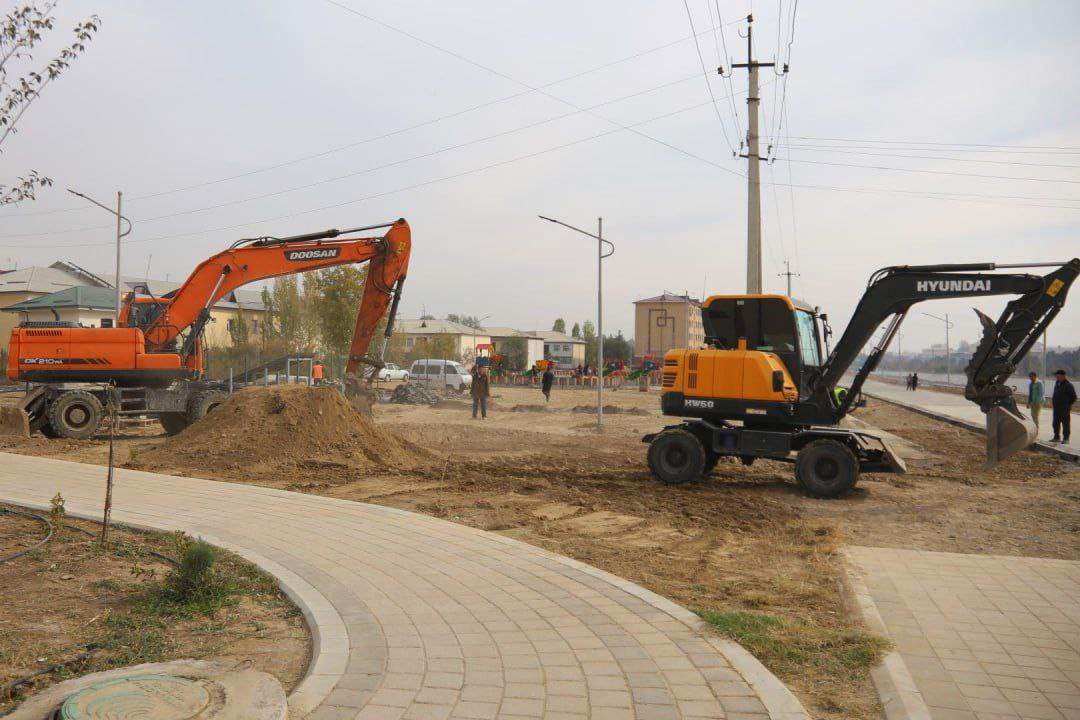
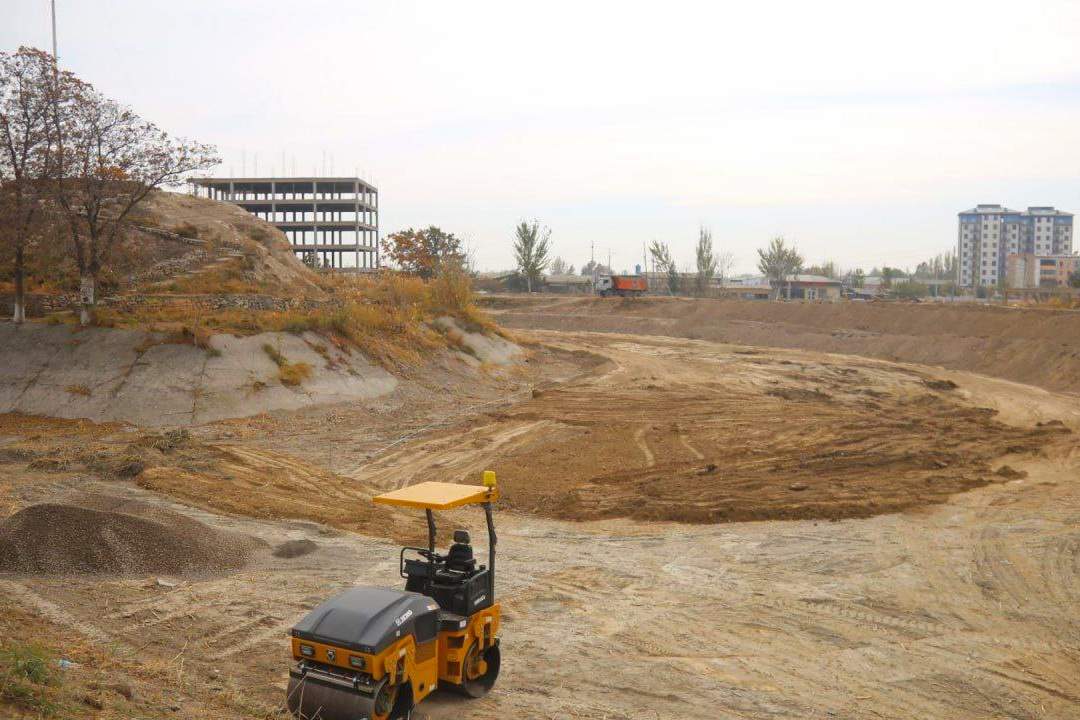
Additionally, as part of the city’s integrated urban upgrading plan, reconstruction of the “Furkat” recreation park and other urban improvement works are underway.
Thanks to the implementation of these projects supported by the World Bank and the Asian Infrastructure Investment Bank, over 700,000 residents of Namangan region will benefit from improved living conditions and modern infrastructure.
Press Service of the Namangan Regional Khokimiyat